-
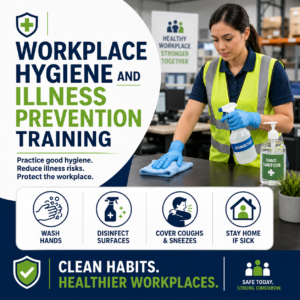 Workplace hygiene and illness prevention covering hygiene behaviors, cleaning routines, ventilation awareness, sick-worker controls, and infection prevention practices that reduce common workplace illness spread.
 -
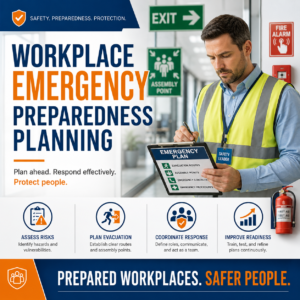 Workplace emergency preparedness: scenario planning, communications, evacuation/shelter procedures, first?response roles, drills, and post?incident review to improve response and recovery.
 -
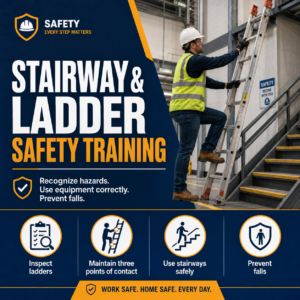 Practical training on Stairway & Ladder Safety Training covering key hazards, safe work practices, and control measures, with simple checklists and reporting steps to help prevent incidents and improve safety performance.
 -
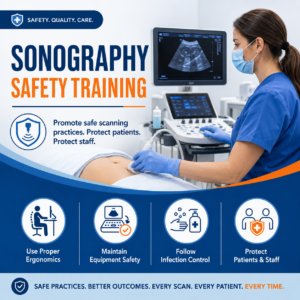 Sonography safety covering ergonomic risk reduction, infection control basics, equipment checks, and patient interaction considerations to reduce strain and improve safe practice.
 -
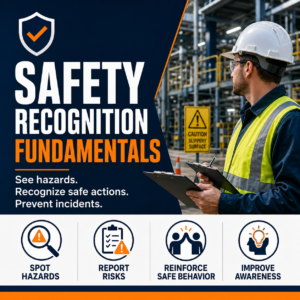 Build a safety recognition approach that reinforces positive behaviors with fair criteria, timely feedback, and consistent follow?through?supporting motivation without discouraging reporting.
 -
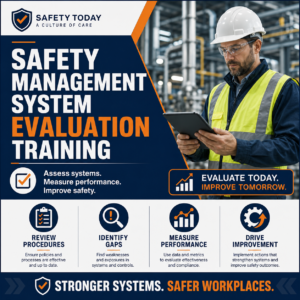 Evaluate a safety management system using audits, indicators, document reviews, and workforce feedback to identify gaps and prioritize improvements in risk control and compliance.
 -
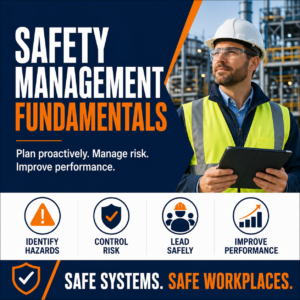 Safety management fundamentals covering policy, planning, hazard/risk controls, training, inspections, incident learning, and continuous improvement for a practical safety program.
 -
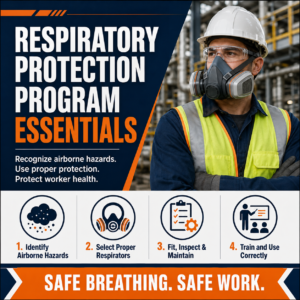 Respiratory protection program essentials: hazard evaluation, respirator selection, fit testing and maintenance basics, training requirements, and program checks to ensure protection against airborne exposures.
 -
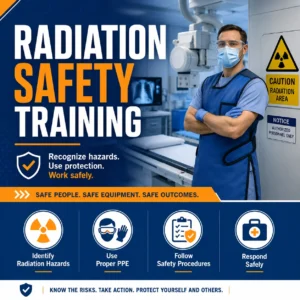 Radiation safety training covering basic concepts, exposure routes, time?distance?shielding controls, signage and access controls, and safe handling practices to reduce exposure risk.
 -
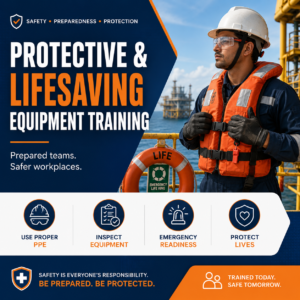 Practical training on Protective & Lifesaving Equipment Training covering key hazards, safe work practices, and control measures, with simple checklists and reporting steps to help prevent incidents and improve safety performance.
 -
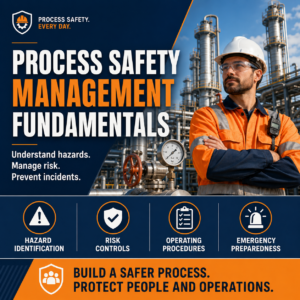 PSM fundamentals covering process hazard analysis basics, procedures, management of change, training, mechanical integrity, contractor controls, incident learning, and emergency preparedness to prevent major events.
 -
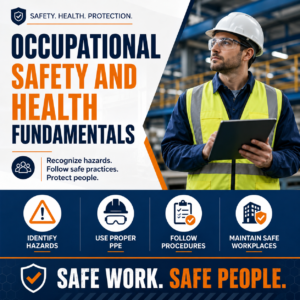 Practical training on Occupational Safety and Health Fundamentals covering key hazards, safe work practices, and control measures, with simple checklists and reporting steps to help prevent incidents and improve safety performance.
 -
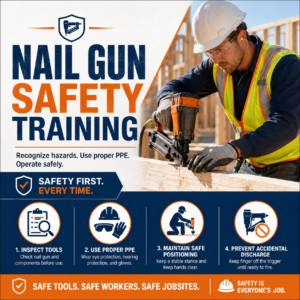 Nail gun safety covering trigger types, safe handling, positioning, material checks, PPE, and housekeeping to prevent puncture injuries and unintended discharge incidents.
 -
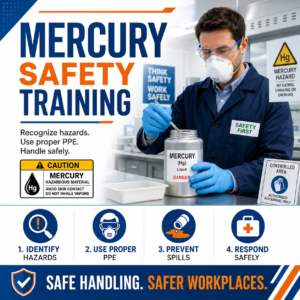 Mercury safety training covering exposure risks, spill prevention and response, safe cleanup practices, storage and disposal basics, and reporting to reduce mercury-related health risks.
 -
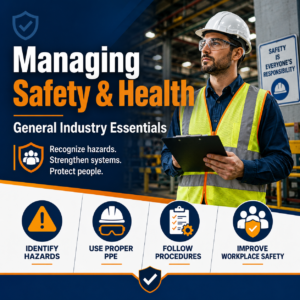 Practical training on Managing Safety & Health - General Industry Essentials covering key hazards, safe work practices, and control measures, with simple checklists and reporting steps to help prevent incidents and improve safety performance.
 -
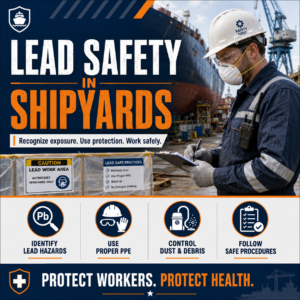 Lead safety (Shipyards) covering health effects, exposure routes, high-risk tasks, engineering controls, hygiene practices, PPE/respiratory awareness, and program elements to reduce exposure and support compliance.
 -
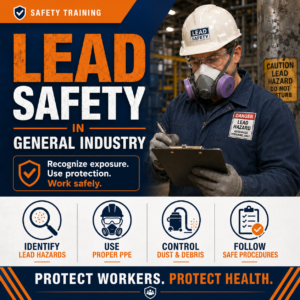 Lead safety (General industry) covering health effects, exposure routes, high-risk tasks, engineering controls, hygiene practices, PPE/respiratory awareness, and program elements to reduce exposure and support compliance.
 -
 One year membership
 -
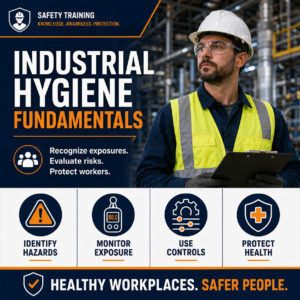 Industrial hygiene fundamentals: recognize and evaluate exposures (chemical, physical, biological) and apply control strategies, with an introduction to basic monitoring concepts and exposure prevention.
 -
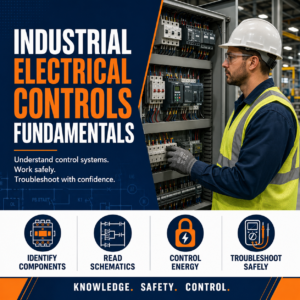 Intro to industrial electrical controls: common components, basic circuits, safe troubleshooting mindset, and key hazards when working around control panels and machinery.
 -
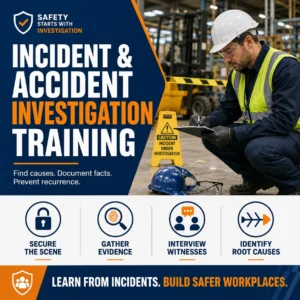 Incident investigation training covering scene control, evidence gathering, interviews, causal analysis, and corrective action planning to prevent repeat events.
 -
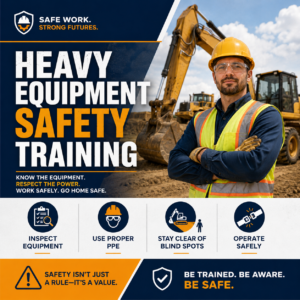 Heavy equipment safety covering pre-use checks, safe operating zones, spotter communication, blind-spot awareness, ground conditions, and maintenance isolation to prevent struck?by and rollover incidents.
 -
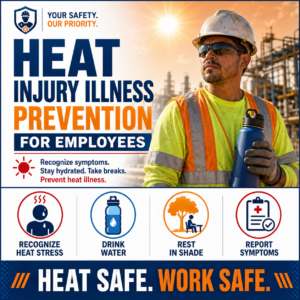 Employee heat illness prevention covering hydration, acclimatization, early symptom recognition, safe work practices, and escalation steps for hot-weather work.
 -
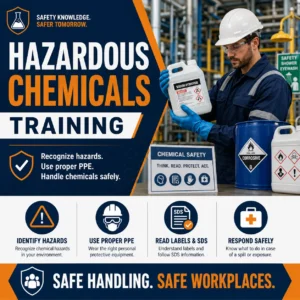 Hazardous chemicals training covering exposure routes, labeling and SDS use, safe storage/handling, control measures, and spill response basics to reduce injuries and occupational illness.
 -
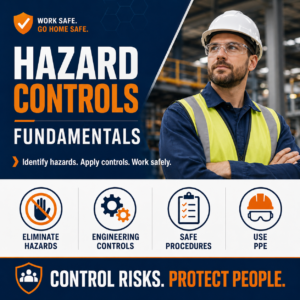 Hazard controls fundamentals using the hierarchy of controls, including engineering and administrative measures and PPE, plus practical verification through inspections and corrective actions.
 -
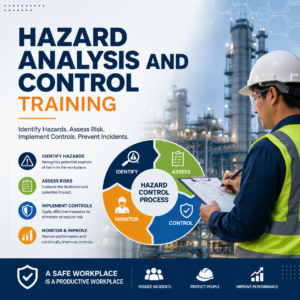 Hazard analysis and control training: identify hazards, assess risk, choose controls using the hierarchy of controls, and verify effectiveness through inspections and feedback.
 -
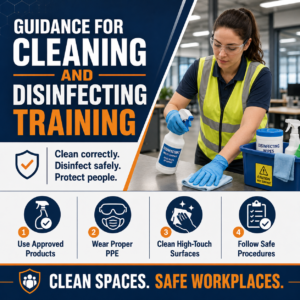 Cleaning and disinfecting guidance covering product selection, contact times, PPE, ventilation, safe chemical handling, and prioritizing high-touch surfaces to improve hygiene without increasing exposure risks.
 -
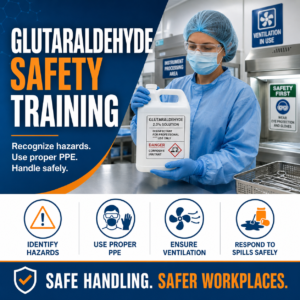 Glutaraldehyde safety covering health effects, safe use and ventilation, PPE, spill response, storage and disposal basics, and reporting to reduce exposure during disinfection tasks.
 -
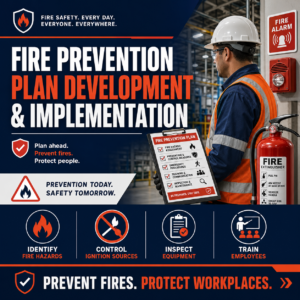 Practical training on Fire Prevention Plan Development & Implementation covering key hazards, safe work practices, and control measures, with simple checklists and reporting steps to help prevent incidents and improve safety performance.
 -
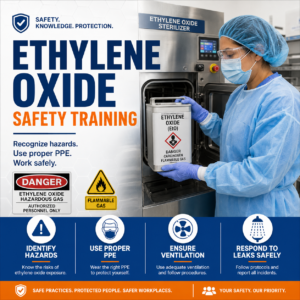 Ethylene oxide safety covering health risks, exposure routes, safe handling and storage, ventilation awareness, spill response, and prevention practices for sterilization environments.
 -
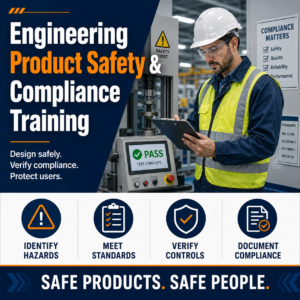 Product safety and compliance for engineers: risk assessment, foreseeable misuse, safety requirements, warnings and instructions, verification/testing, documentation, and lifecycle responsibilities to reduce defects, recalls, and liability.
 -
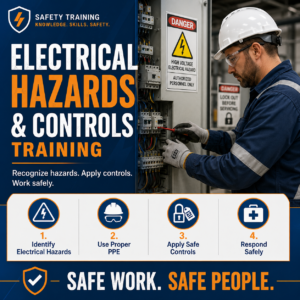 Practical training on Electrical Hazards & Controls Training covering key hazards, safe work practices, and control measures, with simple checklists and reporting steps to help prevent incidents and improve safety performance.
 -
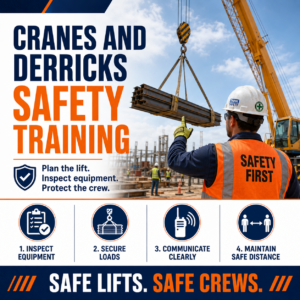 Cranes and derricks safety: planning, setup, inspection, load charts, signaling, and worksite controls to reduce overturning, power-line contact, and dropped-load hazards.
 -
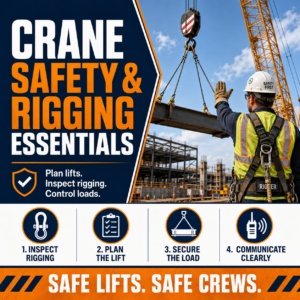 Crane and rigging essentials: lift planning, rigging selection and inspection, load control, signals and communication, and exclusion zones to prevent dropped loads and contact incidents.
 -
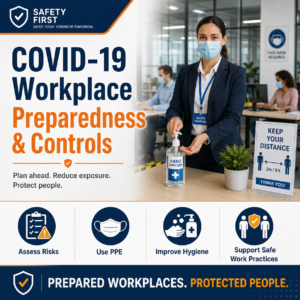 COVID?19 workplace preparedness covering exposure reduction measures, hygiene and cleaning practices, ventilation awareness, response planning, and communication steps to support safer operations during outbreaks.
 -
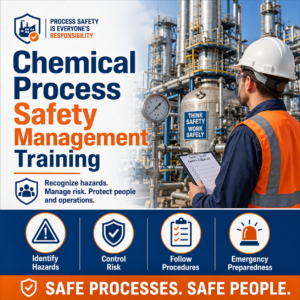 Process Safety Management training covering core elements, hazard analysis concepts, management of change, operating discipline, mechanical integrity, incident investigation, and emergency planning for major hazard risks.
 -
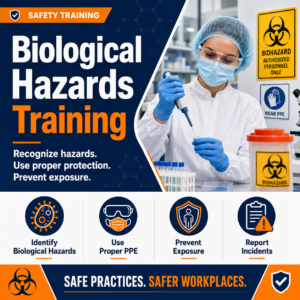 Biological hazards training covering exposure sources, prevention controls, hygiene practices, PPE basics, and response steps to reduce infection and illness risks at work.
 -
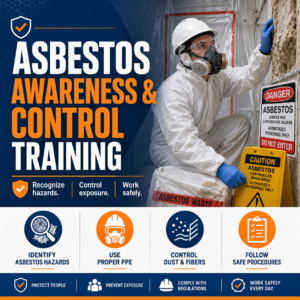 Asbestos awareness and control training covering health risks, where asbestos may be found, recognition and reporting, exposure prevention, and safe work practices to avoid disturbing ACMs.